
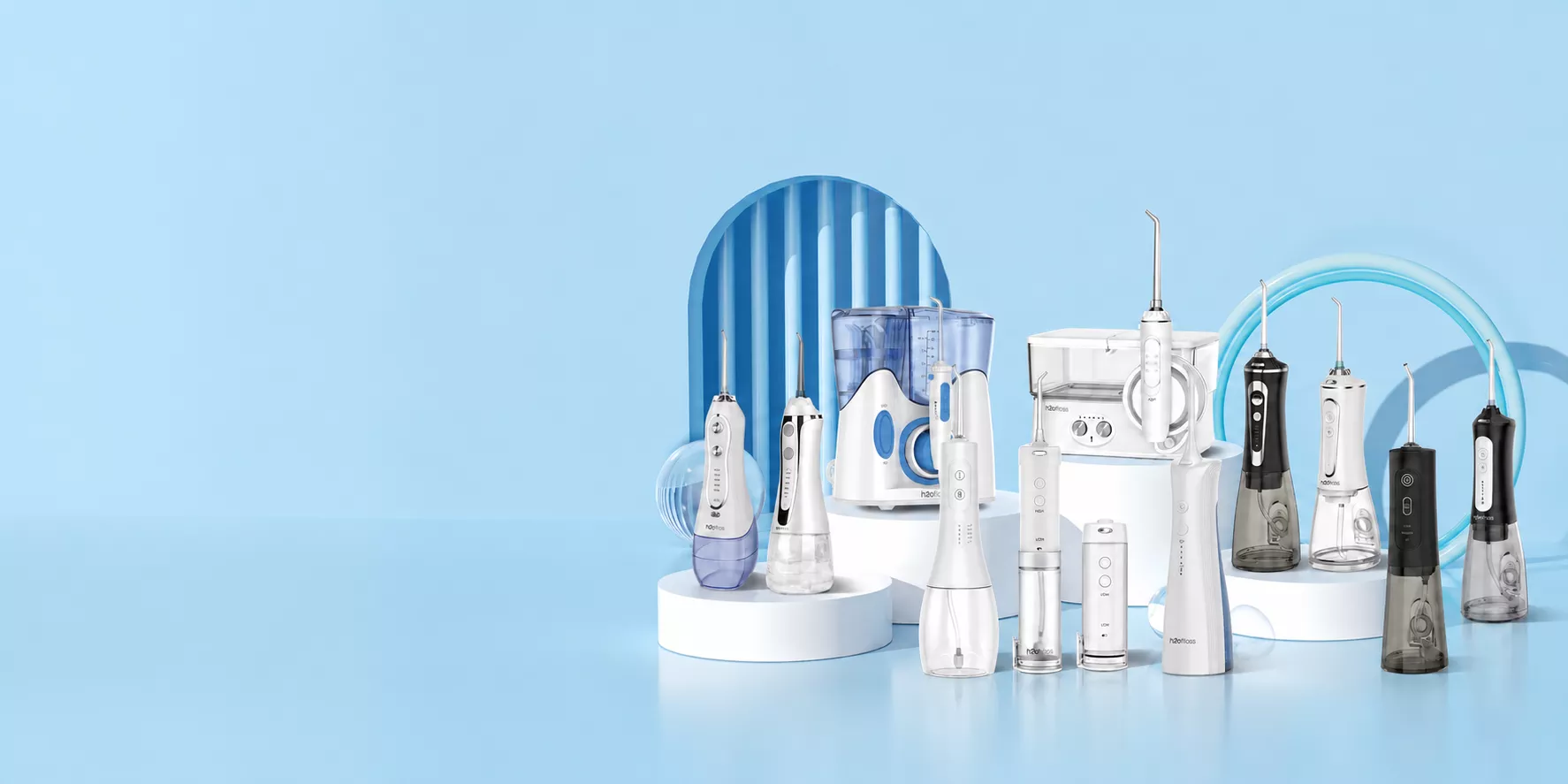
Start your shortlist of oral care manufacturers with the products you plan to sell. Look for a device factory for a sonic toothbrush or water flosser, a formulator or contract filler for toothpaste or rinse, and a consumables specialist for dental floss or floss picks. A single supplier can coordinate a mixed range if it can show where each item is made, who releases it and who handles changes and reorders.
Which Oral Care Manufacturer Fits?
Match each product to the process that determines whether it meets your specification. A water flosser needs device assembly and functional checks. A toothpaste needs controlled mixing and filling. A floss pick needs a consistent filament, assembly and pack count. Start with a separate specification and sample request for each product, even if one supplier quotes them all.
For powered devices, ask who owns the design revision and where final assembly and testing happen. On a water flosser, for example, agree how the factory will check for leaks and record results for the approved version. Include the tip or head part number in the sample request. Use BFT’s water flosser manufacturer checklist to plan the factory review for that device.
For formulated products, ask whether the supplier develops and makes the formula, fills bulk product supplied by another company, or manages both. If mixing and filling happen at different sites, identify who accepts the bulk batch and links it to the lot on the retail pack. Define the intended use and label claims in the brief. The U.S. FDA uses intended use to distinguish cosmetics and drugs, and some toothpastes fall into both categories. Check the classification for each destination market. See the FDA’s intended-use guidance.

For dental consumables such as floss picks, name the strand material and any coating, then agree which sample checks matter. A buyer might check strand attachment, visible fraying and the retail pack count. Ask who makes or buys the strand and who assembles and packs the pick. Those answers tell you where to go if a replacement lot behaves differently.
Compare Oral Care Supplier Capabilities
Give competing oral care manufacturers the same specification, destination market, order volume and packaging requirements for each item. The NIST supplier scouting form separates process and material specifications from order and delivery details. Use the table to record the named site, the person responsible and the evidence you received for each product.
| Product | Development and sample | Production and records | Reorder checks |
|---|---|---|---|
| Powered devices | Agree the model revision, fitted accessories and functional sample tests. | Confirm assembly and final test sites. Request a release record tied to the unit or carton lot and the approved model revision. | Confirm the exact replacement head or tip code, reorder minimum and substitution approval. |
| Formulated products | Define formula ownership, intended claims and the finished tube or bottle. Review stability and pack compatibility evidence where relevant. | Identify who mixes and who fills. Request a batch record and finished product test results tied to the pack lot. | Confirm ingredient, flavor and packaging availability. Agree who signs off on a formula, pack or site change. |
| Floss and floss picks | Agree the filament and any coating, pick geometry if applicable, pack count and acceptance criteria. | Identify who makes the floss or assembles the pick and who packs it. Request a material lot and finished pack inspection record. | Confirm case quantity, packaging minimums and lead time. Require approval of a material or pack change. |
For a product that falls within cosmetic scope, the FDA cosmetic manufacturing inspection checklist gives examples of material identification, manufacturing records and finished product controls. Use those examples to frame questions about the relevant site and batch, then verify the requirements that apply to your product and market.
Trace One Lot Before Ordering
When evaluating oral care manufacturers, ask for a packed sample with a readable code and a redacted record from the same lot, or a traceable example from a comparable production run if the sample was made by hand. Give all candidates the same task so you can compare how easily each one retrieves the evidence.
- Start with the pack code. Ask the device supplier to identify the approved model revision and final test record, the filler to find the batch and release results, and the floss supplier to identify the strand lot and pack inspection.
- Follow a proposed change. Ask what happens if the assembler changes a pump, the formulator changes an ingredient source, or the floss supplier switches filaments. Identify who reviews the change, when you receive notice and what sample or record you get before approving it.
- Run through the reorder. Request the first-order minimum and the reorder minimum separately, along with lead times and the information that must appear on the purchase order. Include replacement tips or heads as their own order lines if you plan to sell them.
If a supplier can only show a generic inspection form, ask for a completed redacted example and check that the pack code, site and release record agree. Keep that item on hold until you can connect the records.
Decide Between One Supplier and Specialists
For a kit with a water flosser, toothpaste and floss picks, one lead supplier can simplify ordering when it names each production and packing site, obtains the records for each lot and manages changes and complaints across all three items. Ask the lead supplier to show how the final kit code links to the contents. Confirm who can retrieve those records if the kit is repacked.
Use separate contracts when a proposed lead supplier cannot show who makes a product or cannot obtain its batch records, or when a specialist offers the required process and your team can manage the handoffs. Compare the cost of that coordination alongside the quote. Include separate shipment dates, order minimums and any final kitting work. Give the kit packer a list of approved components and require a record of the lots packed together.
BFT’s OEM and ODM services cover water flossers and electric toothbrushes.
For the powered devices in your range, send BFT your device sourcing brief with the target market, planned quantity, pack and replacement parts you need.
FAQ
What Does an Oral Care Contract Manufacturer Do?
A contract manufacturer may make a product to your specification, develop and manufacture it, or handle a step such as filling and packing. Ask who supplies the formula or design, where each process happens and who signs the release record.
Can One Supplier Make the Whole Kit?
One supplier can coordinate a kit across several sites if it can identify each site, supply sample lot records and link the component lots to the finished kit. Agree who handles changes and defective items before ordering.
What Should a Buyer Send Before Requesting Samples?
Send one brief per product with the specification, intended claims, destination, expected order size, retail pack and acceptance checks. For a mixed kit, include the component list and identify who you expect to pack it.