

The electric toothbrush manufacturing process starts with approved components and ends when tested handles, matched brush heads and the right accessories are released in the correct retail packs. For a brand buyer, the most useful factory record ties that finished lot to the parts, assembly steps and inspection results behind it.
A rechargeable toothbrush brings together molded parts, a drive, a control board and a power system. Some of those parts can arrive as finished subassemblies. Follow the lot references from each supplier through to the finished pack, including the steps carried out at a different site.
1. Electric Toothbrush Manufacturing Inputs
Release incoming toothbrush parts against the approved bill of materials and drawings before issuing them to the line. Match the part number, revision and supplier lot on the receiving label to the purchase specification. Put mismatched parts on hold and record the disposition before they can be issued.
Resin, motors, assembled circuit boards, batteries, seals and packaging may have different incoming checks. A carton label can identify a batch of brush heads. A fit check using the specified handle confirms whether a sample from that batch engages as intended. Put the lot code, check result and release decision on the same receiving record so the next station knows which parts it can use.
Start with the released specification. If the engineering team is still choosing the head connection, battery or closure, use our electric toothbrush design decisions to settle those requirements before setting line acceptance criteria.
2. Mold Housings and Brush Heads
Many toothbrush housings are injection molded. The tool shapes heated polymer, and the part cools before ejection. Check the first production pieces against the drawing and finish reference. Give extra attention to the shaft opening, button fit and sealing surfaces, where a dimensional error can make a good-looking housing difficult to assemble.
Separate appearance checks from fit checks. A visible parting line may be acceptable on a handle surface, while excess plastic on a sealing land can interfere with closure. Ask for the first article inspection results on the critical dimensions and agree which measurements the molder will repeat during the run.
For a tufted brush head, the head maker secures filament bundles and trims the profile. Filament designs can call for different tip finishing and inspection methods. Verify the finished head’s trim, tuft retention and mating features against the approved specification. If heads arrive complete from a specialist, retain that supplier’s lot code when they enter the pack line.
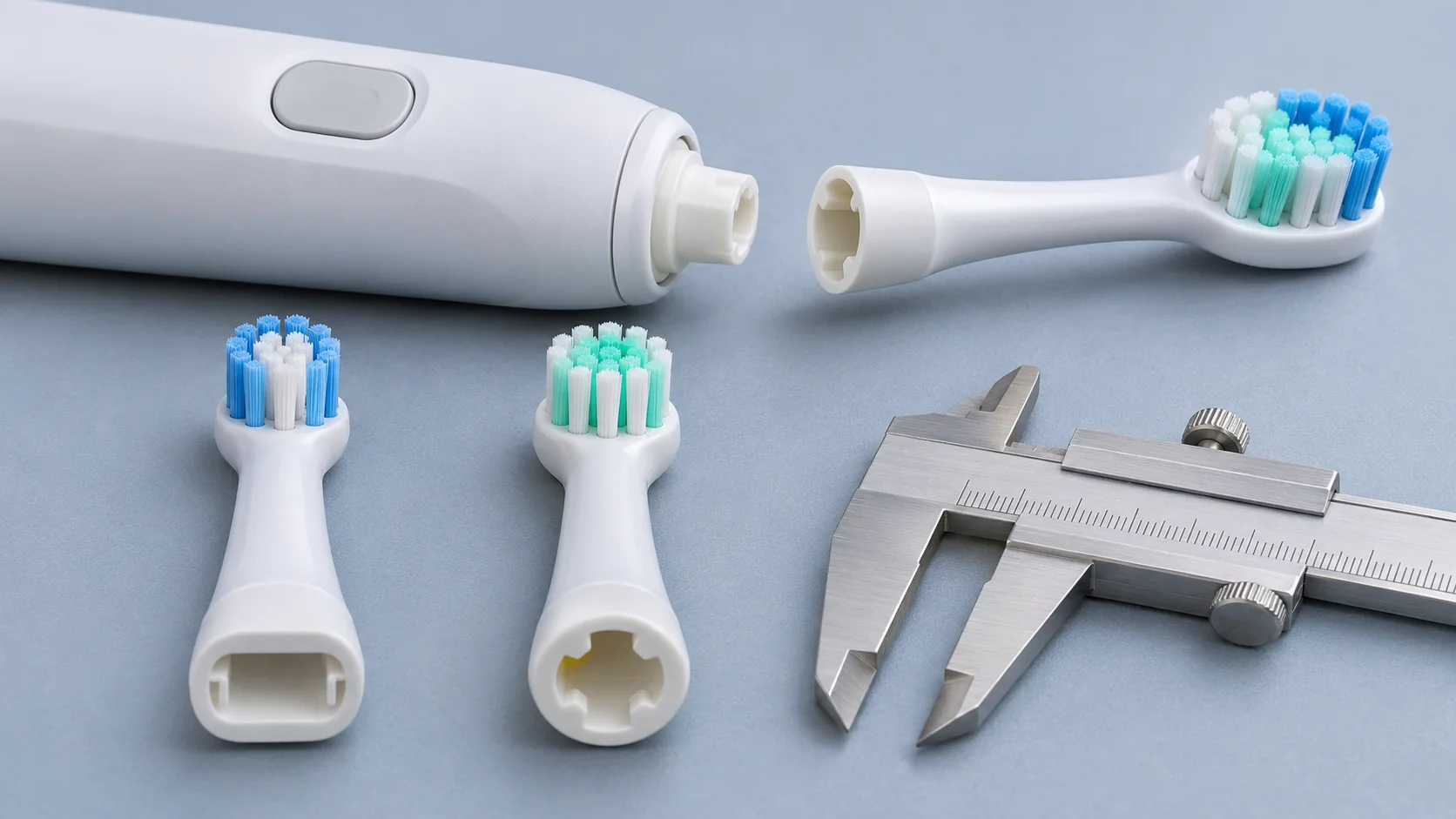
3. Prepare the Drive and Electronics
When the drive and populated control board arrive separately, mount and connect them as specified in the build instructions. When a specialist supplies the complete module, keep its revision and supplier lot with the incoming inspection result. For programmable controls, verify the installed firmware and mode sequence against the released version.
Check connector seating and wire routing while the inside of the handle is accessible. With the approved test power available, a fixture can check drive startup and control response using the intended head or a defined test load. Keep the module identity with the result before the handle is closed.
4. Install Battery and Charging Parts
Use the approved cell or pack and the matching charging components. Depending on the design, the charging interface may use contacts, a cable or an inductive coil. Check that the battery is held in its specified position and that connections and routing follow the assembly drawing. Verify the charge indication with the approved charging setup at the stage defined in the control plan.
Keep the cell lot and charging hardware revision linked to the build record. If the supplier proposes a substitute, route it through engineering review before it reaches the line. A replacement that fits can still affect the charging behavior or the scope of previous test results.
5. Assemble and Seal the Handle
Electric toothbrush assembly brings the drive, board and battery into the housing and closes the interfaces around the shaft, buttons, base and charging points as applicable. Check the relevant sealing surfaces before closure. The work instruction should identify the correct gasket, joint or weld process and the controlled settings for that design.
- Gasketed joint. Ask the assembly team how it verifies the seal’s position before the housing hides it.
- Welded joint. Request the recorded machine settings and the method for checking the finished seam.
Connect the closure check to the shift or lot range that ran on that fixture.
6. Electric Toothbrush Manufacturing Tests
Near the end of the electric toothbrush manufacturing process, test the functions a customer will use on the finished handle, such as starting, switching modes, timing and charge indication. Include the specified head where the check depends on head fit or motion. Agree which checks run on every unit and which need a separate sampling or qualification plan.
Keep a production leak screen and an enclosure rating in separate records. IEC 60529 defines the IP classification for enclosures. If the product carries an IP claim, confirm the supporting report matches the intended configuration and exposure. A quick line screen can flag assembly variation when its method and limits have been agreed for that product.
When a unit fails, log the symptom, the affected batch and the decision to segregate, rework or reject. A repaired handle needs the relevant repeat checks before it returns to the accepted count. Record the retest against the original unit or lot reference so the failure history stays visible.
7. Pack and Release the Lot
Match the accepted handles to the approved head SKU, charging accessories, instructions and artwork for that order. Verify barcode-to-SKU mapping, pack contents and the carton count against the packing specification. Keep the finished lot code associated with the inspection summary and identify who signed the release.
| Station | Input | Output | Record to Request |
|---|---|---|---|
| Receiving | Delivered components and released specifications | Accepted or held material lots | Incoming inspection and lot disposition |
| Molding and head making | Resin, tooling, head components and filaments | Accepted housings and brush heads | Critical dimensions, head inspection and part lot codes |
| Drive and board | Approved drive, board and control revision | Checked drive and control assembly | Board revision and bench check result |
| Battery and charging | Approved battery and charging parts | Power system fitted to the build | Cell lot, charging revision and verification result |
| Handle closure | Internal assembly, housing and joint components | Closed handle | Closure settings or seal check tied to the run |
| Functional inspection | Finished handles and test criteria | Pass, hold or reject decisions | Test counts, failure dispositions and retests |
| Packing and release | Accepted units and approved pack components | Released cartons for the order | Carton-to-lot map and signed release |
Before approving the first shipment, pick one packed carton and ask the factory to trace it backward. If a seal lot is put on hold, can the team identify the other cartons that contain handles from that lot? If the records only separate output by a wider production run, agree to hold that whole affected run until the disposition is clear.
At BFT, our in-house work includes mold development, injection molding, assembly and quality control. For your specific build, ask us to name the facility and record owner for each station, including handoffs for specialist components. If you are still shortlisting suppliers, use our questions for electric toothbrush manufacturers to confirm who can provide those records.
For a BFT production discussion, share your model or build specification with our team along with the head configuration, destination markets, pack contents and inspection records you need. Ask which operations apply to that build and which handoffs involve specialist suppliers.
FAQ
Are All Seven Stages in One Factory?
The route can span several facilities, with purchased parts or subassemblies arriving at the final assembly site. Ask each party to identify its released output and the lot reference the receiving site will keep.
Do Manual Toothbrushes Use the Same Process?
Manual and powered brush heads can share molding, tufting and finishing operations. Powered toothbrush manufacturing also has to integrate and check the drive, electronics and power system inside the handle.
What Should a Pilot Run Prove?
Use the pilot to show that production tooling, work instructions, fixtures and pack components can produce the approved configuration together. Ask for the open issues and their owners before the first volume run begins.
Can Factory Records Protect Supplier Details?
Agree which details can be redacted in the buyer copy, then preserve the part revision, lot link, check method, result and release authority. Ensure the factory can still trace an affected component through its internal records if a problem occurs.